
Turn Your Old Home into a Smart Home: Complete Guide
Sun Sep 07 2025
When people think of smart homes, they often picture sleek new builds loaded with the latest technology. But the reality is you don’t need to live in a “modern” house to enjoy smart features. In fact, turning an old home into a smart home is more achievable today than ever before, thanks to wireless devices, retrofit-friendly solutions, and professional integration services.
Whether you live in a charming historic house or a mid-century fixer-upper, this guide will show you how to bring your home into the modern era with smart home automation solutions, without losing its character. Along the way, we’ll answer common questions like “How much does it cost to convert a home to a smart home?” and “Does having a smart home increase home value?”.
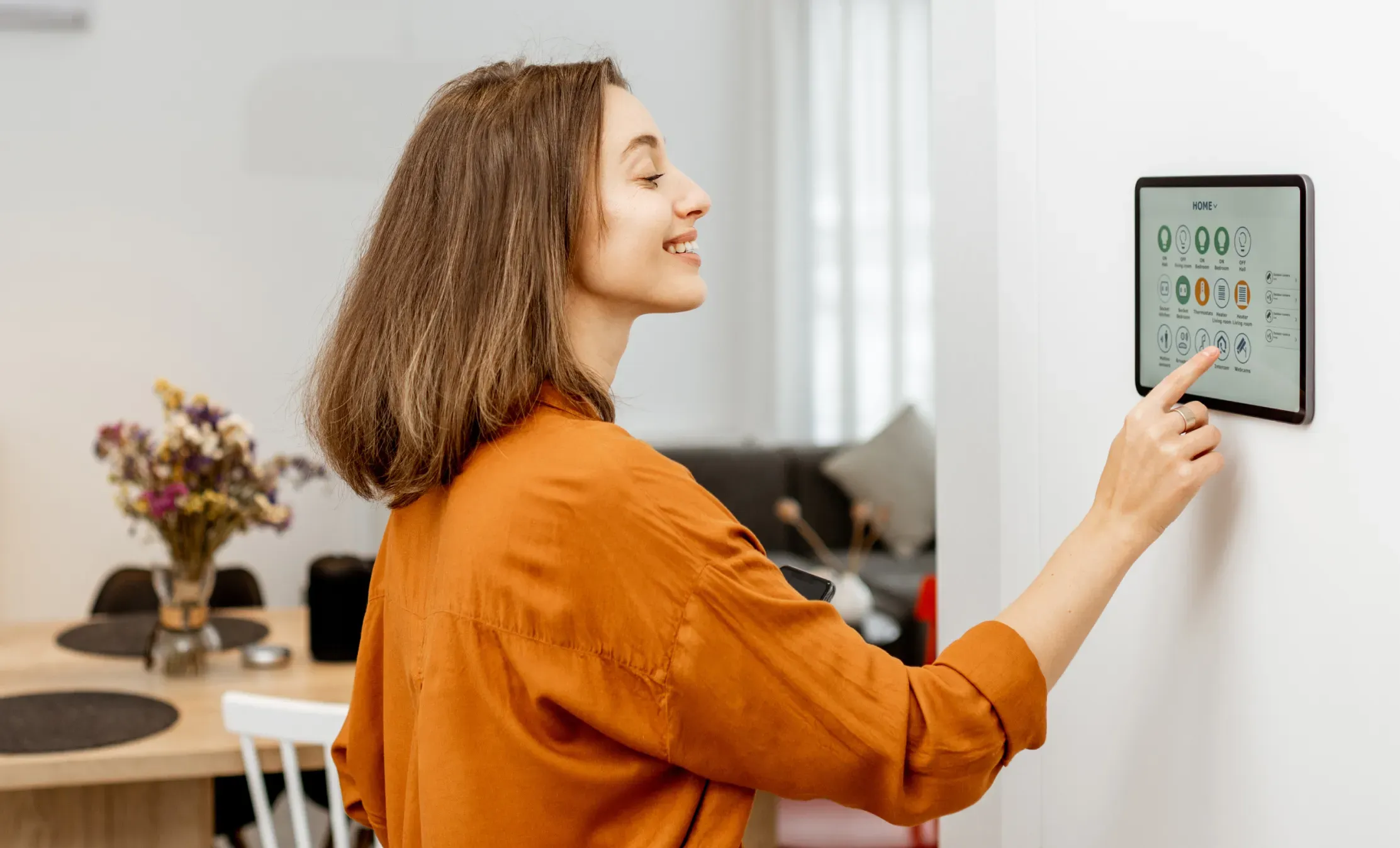
Why Upgrade an Older Home with Smart Technology?
Older homes offer personality and architectural charm, but they weren’t designed for today’s lifestyles and behavioral preferences in mind. Wiring may be outdated, lighting is often basic, and climate control can be inconsistent. Adding smart features bridges that gap by giving you:
-
Convenience: Lighting control and surveillance systems are features you can access directly through your phone or voice.
-
Efficiency: Smart thermostats, sensors, and appliances cut energy waste.
-
Safety: Video doorbells, smart locks, and security cameras modernize protection.
-
Value: Smart features appeal to buyers and can boost resale value.
With thoughtful planning and strategic installation, you can modernize your home without having to make major costly renovations.
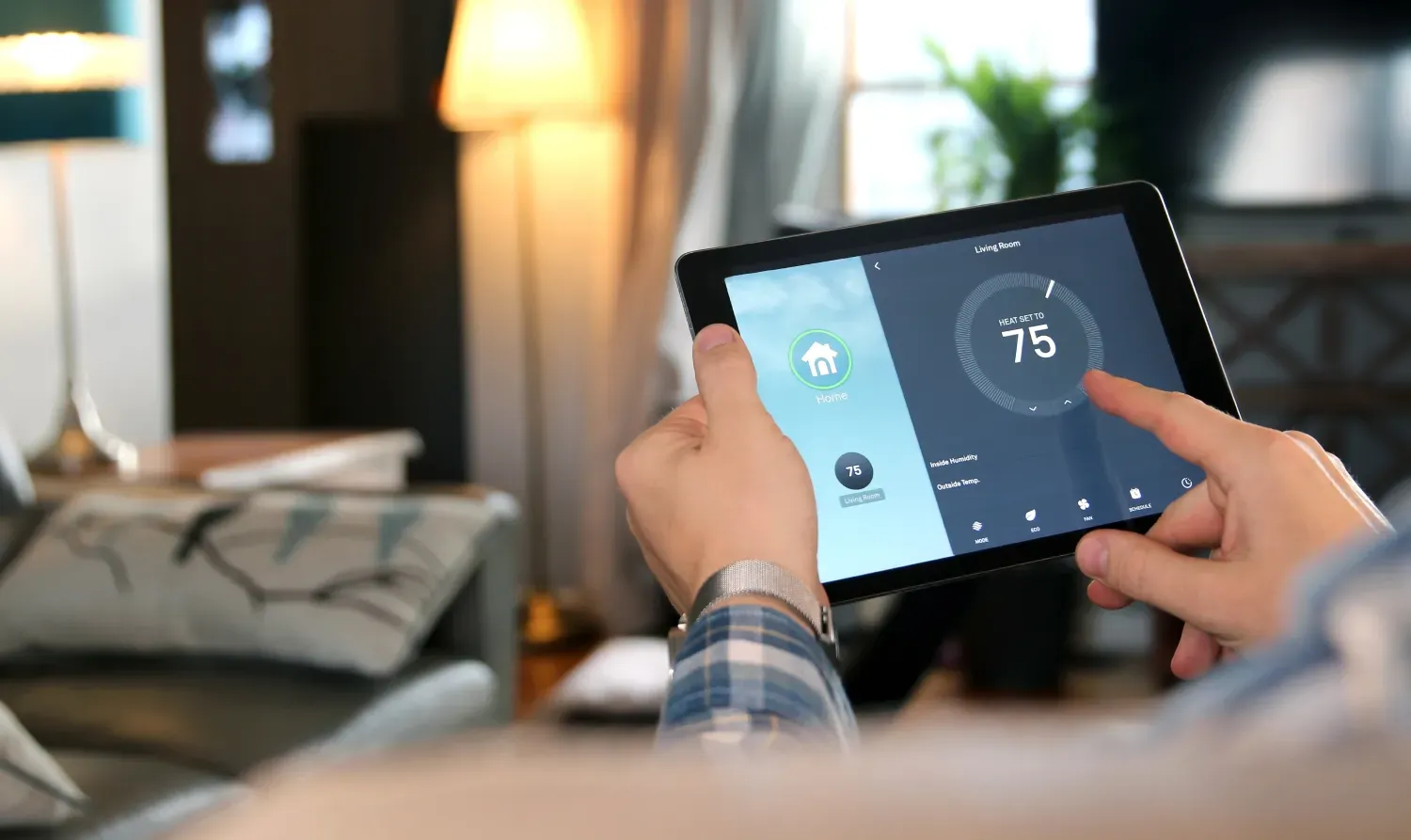
Start with a Smart Foundation
The first step in turning an old home into a smart home is deciding how your devices will connect. Since older houses often lack modern wiring, wireless solutions are your friend.
-
Wi-Fi & Mesh Networks: Ensure you have strong coverage in every room. Consider a mesh system if thick plaster or brick walls block signals.
-
Smart Hubs: A central hub like Control4 or Savant integrates lighting, audio, security, and more into one seamless system.
-
Voice Assistants: Amazon Alexa, Google Assistant, and Apple HomeKit add hands-free convenience.
A professional installer can assess your current wiring and design a network that supports reliable smart performance throughout your home.
Prioritize Key Smart Upgrades
You don’t need to convert everything at once. Instead, start with areas that deliver the most impact.
Smart Lighting
Replace outdated switches with smart dimmers and bulbs. Options include:
-
Retrofit switches that work with existing wiring.
-
Color-changing bulbs for ambiance.
-
Automations that adjust lights at sunset or when you arrive home.
Climate Control
Older HVAC systems often run inefficiently. Adding a smart thermostat helps:
-
Learn your schedule and adjust temperatures automatically.
-
Integrate with voice assistants for hands-free control.
-
Cut heating and cooling bills by up to 10-15%.
Security Upgrades
Smart locks, cameras, and video doorbells give older homes modern security. You’ll get:
-
Remote access to lock/unlock doors.
-
Motion alerts sent to your phone.
-
Peace of mind when traveling.
Entertainment Systems
Home theater systems and whole home audio can transform daily life. Wireless speakers, hidden wiring, and streaming integrations modernize without remodeling and elevate your home living experience.
Energy Management
Smart plugs and power strips let you control old outlets with new tech. They’re inexpensive and a great way to test smart living before committing to larger upgrades.
Plan for Electrical & Wiring Considerations
One challenge with older homes is that electrical systems may not meet modern demands. Some rooms might only have one outlet, and knob-and-tube wiring can complicate smart installations.
Professional integration teams solve this by:
-
Running low-voltage wiring for smart lighting and AV systems.
-
Using wireless sensors that don’t require new circuits.
-
Updating breaker panels where necessary for safety and capacity.
With the right planning, even a 100-year-old home can be fitted with cutting-edge technology.
Budgeting for Your Smart Home Upgrade
One of the most common questions homeowners ask is: How much does it cost to convert a home to a smart home?
The answer depends on how much tech you want to integrate and whether you DIY or hire professionals. Here’s a rough breakdown:
-
Entry Level ($500–$1,500): DIY kits with smart bulbs, plugs, and thermostats.
-
Mid-Range ($2,000–$7,500): Professionally installed smart lighting, locks, cameras, and a thermostat.
-
Whole Home ($10,000–$50,000+): Centralized hub, AV integration, climate zoning, security system, and automated shades.
Remember, smart home upgrades aren’t all-or-nothing. Many homeowners start small and build over time.
Does Having a Smart Home Increase Home Value?
Yes, modern buyers increasingly expect smart features. Homes with smart security, climate control, and lighting systems already installed can position themselves higher in terms of perceived value and justify their place in the real estate market.
For older homes, adding smart upgrades can:
-
Make the property more competitive in the market.
-
Appeal to younger buyers looking for modern convenience.
-
Signal that the home has been maintained and updated.
In short, the dollar investment into smart home technology and installation often improves resale value and reduces time on market.
Work with AV Experience for Seamless Smart Home Integration
While DIY kits are great for experimenting, professional integration for smart home features ensures everything works together smoothly, especially in older homes. Companies like AV Experience design custom systems that:
-
Account for outdated wiring or construction quirks.
-
Guarantee reliable connectivity and performance.
-
Create one simple interface instead of juggling multiple apps.
This not only saves time but ensures your smart home feels polished and future-ready.
From home theater systems in Nashville to smart window treatments, AV Experience strives to elevate homes to reach a luxury standard with expert insights and professional, personalized installation. Proudly serving the Nashville area and surrounding communities, contact us today to schedule a consultation or give us a call.
Related readings from our blog:
FAQs: How to Turn an Old Home Into a Smart Home
Can every old home be turned into a smart home?
Yes, though homes with outdated wiring may need professional workarounds or minor upgrades to support modern systems.
Does having a smart home increase home value?
Yes. Smart homes often sell faster and for more, especially when features like security, climate control, and lighting are included.
Do I need to rewire my entire house?
Not always. Many devices use wireless technology or retrofit solutions that work with existing wiring.
What’s the easiest upgrade to start with?
Smart lighting and thermostats are affordable entry points that immediately improve convenience and efficiency.