
DIY vs Smart Home Installation: Which Is Right for You
Fri Sep 19 2025
The idea of a smart home is no longer futuristic; it’s mainstream. From voice-controlled lights to fully automated security systems, homeowners have endless options to modernize their spaces. But when it comes time to actually install smart devices, a big question comes up: Should you go the DIY route or hire a professional smart home installer?
Both approaches have their advantages, but the right choice depends on your budget, the complexity of your setup, and your long-term goals. This guide will break down the pros and cons of each smart home automation installation option so you can decide what’s best for your home.
Why Smart Home Installation Matters
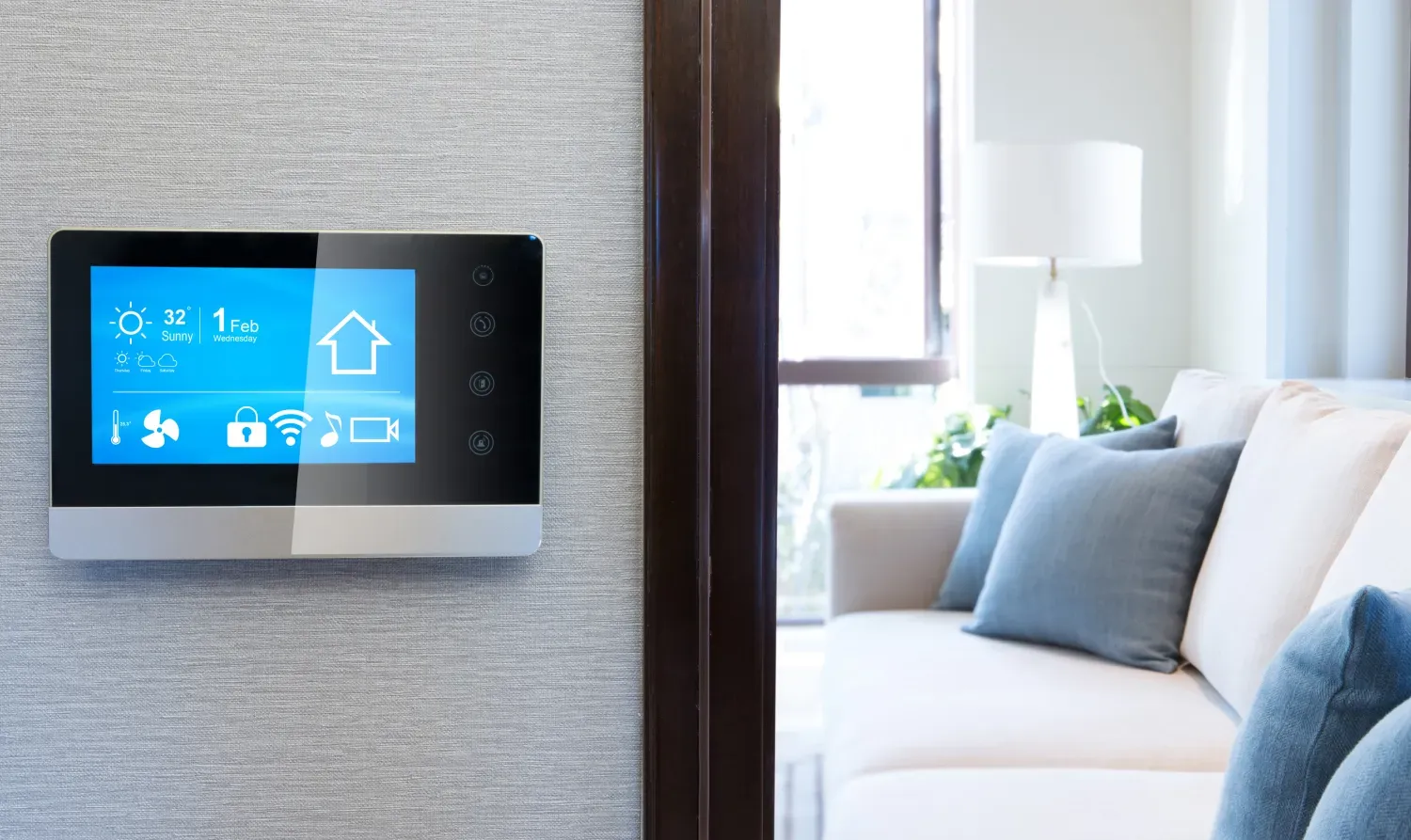
Installing smart devices is about more than just plugging them in. Your setup determines:
-
Reliability: Will your lights, locks, and thermostats respond every time?
-
Integration: Do your devices work together, or are you juggling 10 different apps?
-
Security: Is your network protected from outside threats?
-
Scalability: Can you easily expand your system in the future?
A smooth installation ensures your smart home is not just flashy but functional.
The Case for DIY Smart Home Installation
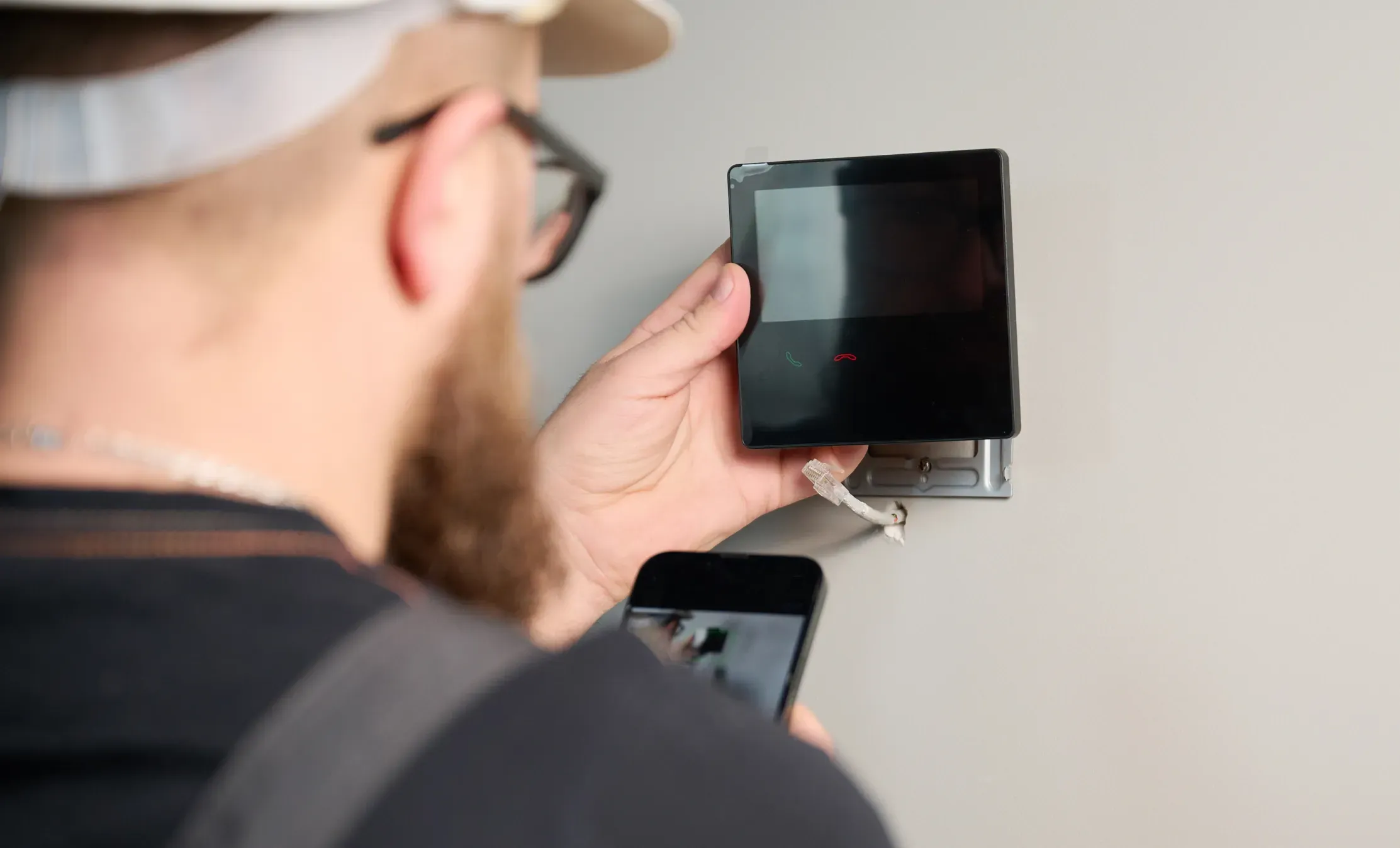
DIY installation appeals to many homeowners because it’s approachable, flexible, and often budget-friendly. However, there are certain considerations to make if you are going to go the DIY installation route that might pose particular challenges and limitations.
Pros of DIY
-
Lower upfront cost: Smart bulbs, thermostats, and locks are widely available and easy to install with basic tools.
-
Full control: You can experiment, tweak, and customize at your own pace.
-
Increased timing flexibility: You don’t need to wait for an installer, just set up when you’re ready.
-
Learning experience: Many homeowners enjoy the hands-on process and the sense of accomplishment that comes with it.
Cons of DIY
-
Limited integration: Different brands may not play nicely together, leaving you with fragmented systems.
-
Time-consuming: Researching compatibility, troubleshooting, and updates can be frustrating.
-
Security risks: Misconfigured networks or outdated firmware can leave devices vulnerable to hacking.
-
Scalability challenges: Expanding from a few devices to a whole home system often requires technical expertise.
Overall, DIY is best for homeowners who only want a few smart upgrades, like a video doorbell, smart speaker, or thermostat, without committing to a full ecosystem. Focusing on “smaller” or more manageable smart home installations are a great way to cut back on costs while implementing the features you want your home to have.
The Case for Professional Smart Home Installation
Professional smart home installation takes things to the next level by ensuring your devices integrate seamlessly. This option is best for homeowners who want no compromise in their smart home installation experience and want enhanced connectivity between all their devices, features, and smart capabilities.
Pros of Professional Installation
-
Expert design: Installers evaluate your home’s layout, wiring, and Wi-Fi coverage to create a reliable system.
-
Unified control: Instead of juggling multiple apps, professionals integrate everything into one interface or smart hub.
-
Scalable systems: Professionals build with future expansion in mind, so adding features later is easy.
-
Security & reliability: Installers configure devices properly, update firmware, and set up secure networks.
-
Premium features: Lighting control, whole home audio, hidden wiring, and advanced automations are possible with pro setups.
Cons of Professional Installation
-
Higher upfront cost: Labor and design expertise add to the investment.
Professional installation is ideal for homeowners who want a whole home smart system that is reliable, polished, and built to last. Whole home installations should be handled by professionals to ensure the complexities of the install are accounted for across your home and devices.
Estimated Cost Comparison: DIY vs Professional Smart Home Installation
A common question is: How much does each option really cost?
-
DIY: A starter smart home kit with bulbs, plugs, and a thermostat might cost $500–$1,500.
-
Professional: A full-home integrated system with lighting, security, entertainment, and climate control can cost $5,000–$50,000+, depending on scope.
While DIY is cheaper upfront, professional systems deliver better value long-term through energy savings, resale appeal, and reduced frustration.
Which Option Is Best for You?
Here’s a breakdown of which route makes sense depending on your situation:
DIY smart home installation is a better option if:
-
You only want a few devices.
-
You enjoy tech projects.
-
You don’t mind handling updates and troubleshooting yourself.
You’ll want to strongly consider a professional smart home installation if:
-
You want a whole home system.
-
You need seamless integration across brands and devices.
-
You want premium features like motorized shades or centralized AV.
-
You value reliability and expert support.
Many homeowners often start with DIY but eventually move to professional installation when they expand their system. Identify where you’re at in your smart home installation needs to get a better sense of which option is best for you moving forward. Understand what features you want to prioritize to achieve the optimized home living experience you desire.
Smart Home Security: Why Professional Installation Stands Out
One of the biggest drawbacks of DIY setups is overlooked network security. Every new device is a potential entry point for hackers. Professionals address this by:
-
Setting up secure Wi-Fi networks.
-
Creating firewalls and guest networks.
-
Keeping firmware updated.
-
Ensuring data encryption across devices.
If protecting your home and personal data is a priority, professional installation offers peace of mind.
Long-Term Value: Does Professional Installation Pay Off?
While professional smart home installation costs more initially, it can increase your home’s resale value. Buyers increasingly expect modern features like smart security and climate control, and they’re more attracted to homes with systems already installed and working flawlessly.
By contrast, DIY setups may not transfer smoothly to new owners, or worse, they may be abandoned mid-way, making the home feel incomplete.
Discover Smart Home Installation at AV Experience
Ready to transform your home into a connected, modern luxury living space? AV Experience has the expertise to design and install solutions tailored to your needs.
From home theater systems to surveillance systems and outdoor sound systems, AV Experience can help your professional smart home installation experience be smooth and elevate your home living experience to a new standard. Proudly serving the Nashville area and surrounding communities, contact us today to schedule a consultation or give us a call.
Related readings from our blog:
FAQs: DIY vs Professional Smart Home Installation
Is DIY smart home installation worth it?
Yes, for small upgrades like smart bulbs, thermostats, or locks. But larger systems often require professional integration for reliability and security.
Do professional smart home installations cost a lot?
Costs vary, but professional systems typically start around $5,000 and go up depending on size and features.
Can I start DIY and later switch to professional installation?
Absolutely. Many homeowners begin with DIY and later call professionals to unify their systems.
Which is safer: DIY or professional smart home installation?
Professional installation is generally safer, as experts configure secure networks and reduce the risk of device vulnerabilities.
What’s the biggest benefit of hiring a smart home installer?
Seamless integration. Everything works together in one app or hub, providing convenience and reliability.